
This article is provided for general informational and educational purposes only and does not constitute legal advice. Laws, insurance requirements, and fault-determination rules vary by jurisdiction and individual circumstances. Readers should consult a licensed attorney or other qualified professional for guidance specific to their situation.
Introduction
After a car accident, insurance companies typically request documentation to evaluate property damage, injuries, and policy coverage. The specific documents requested depend on the nature of the claim, whether injuries are involved, and how liability is being reviewed.
Because insurance evaluations rely heavily on written and recorded documentation, understanding the types of materials commonly requested can help clarify how the claims process unfolds.
The checklist below outlines documentation categories insurers frequently request following a motor vehicle collision.
Read: Insurance Adjusters & How Claims Work

Primary Documentation Checklist
1. Accident Report
Commonly Requested:
-
Official police report
-
Incident or crash report number
-
Officer narrative and diagram
-
Citation information (if issued)
Police reports often provide a structured summary of the collision, including time, location, and initial observations. While not always determinative of fault, they are frequently referenced during claim review.
2. Driver and Vehicle Information
Commonly Requested:
-
Driver’s license details
-
Vehicle registration
-
License plate number
-
Insurance policy number
-
Contact information for involved parties
This information confirms identities and policy coverage.
3. Photographs and Video
Commonly Requested:
-
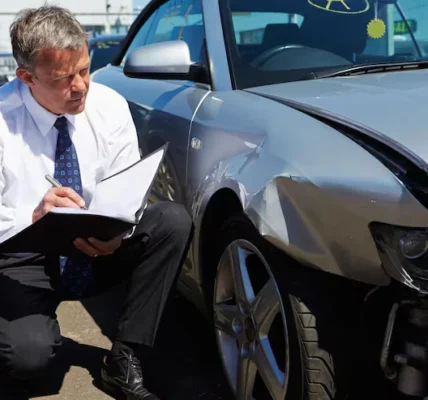
Photos of vehicle damage
-
Photos of the accident scene
-
Road conditions or traffic signals
-
Dashcam footage (if available)
-
Surveillance footage (if accessible)
Visual documentation may assist insurers in reviewing collision dynamics and damage patterns.
4. Repair Estimates and Property Damage Records
Commonly Requested:
-
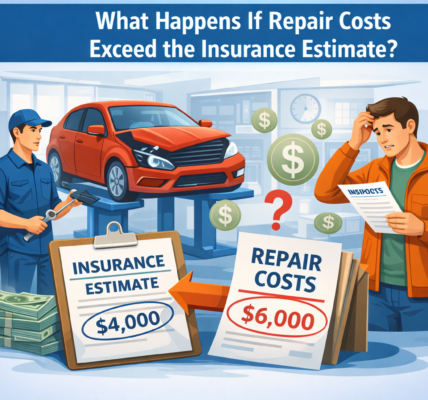
Body shop repair estimates
-
Itemized repair invoices
-
Total loss valuation reports
-
Towing receipts
-
Rental vehicle invoices
Property damage claims are typically supported by written repair documentation.
5. Medical Records (If Injuries Are Reported)
Commonly Requested:
-
Emergency room records
-
Physician treatment notes
-
Diagnostic imaging reports
-
Physical therapy records
-
Referral documentation
Medical records are reviewed to understand the nature and timeline of reported injuries.
6. Medical Billing Statements
Commonly Requested:
-
Itemized medical bills
-
Dates of service
-
Provider billing summaries
-
Insurance explanation of benefits (EOBs)
Billing documentation helps insurers evaluate financial components of injury claims.
7. Proof of Lost Wages (If Applicable)
Commonly Requested:
-
Employer verification letters
-
Pay stubs
-
Wage statements
-
Tax documentation (in some cases)
-
Disability forms
Lost income claims generally require written confirmation from employers or income records.

8. Recorded Statements
Commonly Requested:
-
Recorded statement from drivers
-
Recorded statement from passengers
-
Written statement summaries
Statements may be used to clarify timelines and factual details.
9. Witness Information
Commonly Requested:
-
Witness names
-
Contact details
-
Written or recorded witness statements
Independent witness accounts may assist in reviewing liability.
10. Insurance Policy Documentation
Commonly Requested:
-
Declarations page
-
Coverage limits
-
Endorsements
-
Policy effective dates
Insurers review policy language to confirm coverage eligibility and applicable limits.
11. Vehicle Ownership and Title Records
Commonly Requested:
-
Vehicle title
-
Loan or lienholder information
-
Proof of ownership
This documentation may be necessary in total loss evaluations or payment processing.
12. Event Data Recorder (EDR) Information (In Some Cases)
Occasionally Requested:
-
Electronic vehicle data
-
Pre-collision speed data
-
Airbag deployment information
Accessing and analyzing vehicle data may require specialized review.
13. Subrogation or Prior Claim Records
Sometimes Requested:
-
Prior accident documentation
-
Prior damage records
-
Repair history
Insurers may review previous claims to clarify the extent of current damage.
Supplemental Documentation That May Be Requested
Depending on circumstances, insurers may also request:
-
Traffic camera footage
-
Road maintenance reports
-
Weather reports
-
Commercial vehicle logs
-
Rideshare activity records
These documents are generally requested when additional verification is required.
Why Documentation Requests Vary
Not every claim requires every document listed above. The scope of requested materials typically depends on:
-
Whether injuries are involved
-
Whether liability is disputed
-
The extent of property damage
-
Policy coverage questions
-
Number of parties involved
Simple property damage claims may require only repair estimates and basic accident information. More complex claims often involve broader documentation review.
Read: How Medical Treatment Affects Timing

How Documentation Affects Claim Processing
Insurance evaluations rely on written and recorded evidence rather than informal descriptions. Documentation helps insurers:
-
Verify reported facts
-
Confirm coverage eligibility
-
Assess damages
-
Apply applicable state standards
When requested documents are incomplete or delayed, claim review timelines may extend accordingly. Conversely, when documentation is readily available, evaluation may proceed more efficiently.
However, timelines vary by insurer, jurisdiction, and case complexity.
Common Misconceptions About Document Requests
Misconception: Document requests mean the claim is being denied.
Requests for documentation are typically part of standard review procedures.
Misconception: All documents must be provided immediately.
Some documentation, such as final medical billing, may not be available until treatment concludes.
Misconception: Every claim requires the same materials.
Documentation requirements vary based on claim type and circumstances.
Conclusion
After a car accident, insurance companies commonly request documentation related to the accident report, vehicle damage, medical treatment, billing records, wage verification, and policy coverage. The specific materials requested depend on the nature of the claim and whether liability or coverage questions exist.
Because insurance evaluations rely on documented evidence, the completeness and availability of records often influence claim processing timelines. Requirements vary by insurer and jurisdiction, and not all claims require every category of documentation.
For guidance tailored to specific circumstances, consultation with licensed professionals may be appropriate.