
This article provides general educational information only and does not constitute legal or medical advice. Laws, insurance practices, and individual circumstances vary by jurisdiction. Readers should consult licensed medical or legal professionals for guidance specific to their situation.
Filing a car insurance claim is rarely something anyone looks forward to, but after an accident or loss, it becomes essential. One of the first questions most people ask is: How long will this take? Unfortunately, there’s no one-size-fits-all answer. The timeline for a car insurance claim in Michigan depends on many moving parts — from the type of damage to the insurance company’s processes and whether fault is in dispute.
In this article, we’ll break down the typical timelines you can expect after filing a Michigan auto insurance claim, the factors that influence how long it takes, and what you can do to speed up the process. Our goal is straightforward: set realistic expectations so you’re not left wondering when your claim will be resolved.

1. Michigan’s No-Fault Insurance System
Michigan operates under a no-fault insurance system. That means after most crashes, your own insurance pays for your medical bills and lost wages — no matter who was at fault. Property damage (like damage to your vehicle) is handled separately.
This system affects the claims process, but it doesn’t necessarily make claims faster. It just changes who pays for what and how benefits are applied.
2. Typical Timeline for a Car Insurance Claim in Michigan
Here’s a clear look at how long different phases of a claim can take:
a. Initial Claim Submission — 1 to 3 Days
Once you notify your insurer about the accident and provide the basic information (date, location, parties involved), most insurers will:
-
Assign a claim number
-
Contact you for additional details
-
Begin an initial review
This phase usually wraps up in 1 to 3 business days if all required documentation is submitted promptly.
b. Damage Inspection — 1 to 7 Days
After your claim is submitted, the insurer usually needs to inspect the vehicle or property damage. There are a few ways this happens:
-
In-person inspection at a shop
-
Virtual or photo-based estimate
-
Independent adjuster visit
The faster you schedule your inspection, the quicker this phase completes. In simple cases, many insurers finish this within 1–3 days. More complex or delayed appointments can stretch it to 5–7 days.
c. Claim Evaluation & Decision — 5 to 30 Days
Once the adjuster has reviewed the damage and gathered statements, the insurer evaluates fault and liability.
In Michigan, fault matters for property damage claims and excess medical cost claims, even though no-fault benefits apply to personal injury.
This evaluation period can vary widely:
-
Straight-forward claims: ~5–10 days
-
Moderate disputes or paperwork issues: ~10–20 days
-
Claims involving legal review or significant disagreement: ~20–30+ days
Insurers are legally required to acknowledge and act “promptly and in good faith,” but they do have time to investigate thoroughly.
d. Settlement Offer & Resolution — 7 to 45+ Days
Once the insurer determines liability and damage value:
-
You’ll receive a settlement offer.
-
You can accept, negotiate, or dispute it.
-
If accepted, payment follows.
For clear cases, final offers come within 2–3 weeks. However, disputes over fault or damage valuation can extend the resolution to a month or more.
3. Why Claim Timelines Vary So Much
Here are the main variables that affect how long an insurance claim takes in Michigan:
• Fault or Liability Disputes
If both parties claim the other caused the crash, insurers may wait for additional evidence (police reports, witness statements, photos). Disputed fault adds days or weeks.
• Severity of Damage
Minor fender-benders are easier to evaluate. Total-loss determinations, frame damage, or complex repairs take longer.
• Documentation Completeness
Missing police reports, unclear photos, or incomplete injury details can slow everything down.
• Vehicle Availability
If your car isn’t accessible for inspection right away, that delays the estimate and settlement.
• Medical Billing in No-Fault Claims
Medical providers submit bills through your Personal Injury Protection (PIP) coverage. If billing codes are unclear or treatment is ongoing, insurers take longer to process those claims.
• Insurance Company Procedures
Every insurer has its internal workflow and backlog. Some use third-party adjusters or specialty teams that can help speed things up; others operate more slowly.
How Long Does a Car Insurance Claim Take in Texas?

4. What Michigan Law Says About Timeliness
Michigan law requires insurers to:
-
Acknowledge receipt of claims promptly
-
Provide a reasonable timeframe for investigations
-
Avoid “unreasonable delays” that harm the insured
That doesn’t mean every claim has a hard deadline. Instead, insurers must follow fair practices, and if you suspect an unreasonable delay, you can report this to the Michigan Department of Insurance and Financial Services (DIFS).
5. Tips to Help Your Claim Go Faster
While some factors are out of your control, here’s what you can do:
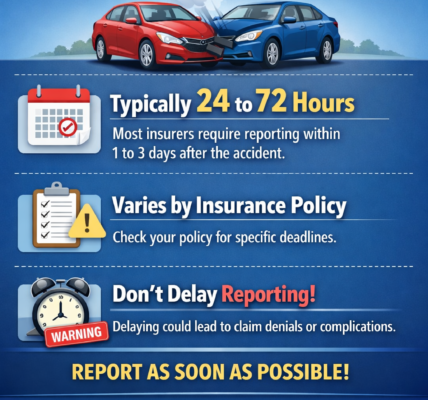
1. Report the Claim Right Away
Don’t wait days after an accident to notify your insurer. The sooner you file, the sooner the investigation begins.
2. Take Clear Photos
Photograph all vehicle damage, police report pages, and any visible injuries. Visual documentation speeds up inspections and reduces guesswork.
3. Collect Witness Information
A name and phone number from a witness can speed up fault investigations.
4. Provide Complete Medical Records Promptly
For injury claims, send medical bills and doctor notes as soon as you get them. Don’t let paperwork pile up.
5. Follow Up Regularly
A quick call or email every few days keeps your claim top-of-mind and highlights any missing documentation.
6. Michigan’s Unique No-Fault Medical Claims Timeline
If you’re injured in a crash, Michigan’s PIP benefits cover:
-
Medical expenses
-
Rehabilitation
-
Lost wages (up to policy limits)
PIP claims often take longer than property damage claims because insurers must:
-
Verify treatment necessity
-
Confirm billing codes
-
Coordinate with medical providers
Expect PIP processing to take 2–6 weeks in typical cases. If disputes arise over treatment necessity, the timeline can extend further.
7. What Happens If Your Claim Takes Too Long?
If you believe your insurer is unreasonably delaying your claim:
• File a Complaint with DIFS
The Michigan Department of Insurance and Financial Services oversees insurers. A formal complaint can prompt a regulatory review.
• Contact a Lawyer
Especially for serious injuries or disputed fault, an attorney can help expedite evidence gathering and negotiations.
• Mediation or Arbitration
Some policies include options for alternative dispute resolution if negotiations stall.
8. Bottom Line: Realistic Expectations
Here’s a quick snapshot of typical timelines in Michigan:
| Claim Phase | Expected Time |
|---|---|
| Initial claim submission | 1–3 days |
| Damage inspection | 1–7 days |
| Evaluation of liability | 5–30+ days |
| Settlement & payment | 7–45+ days |
| PIP medical claims processing | 2–6+ weeks |
Remember, these are averages. Some claims move faster; others take longer.
How Long Does a Car Insurance Claim Take in Illinois?

9. A Final Word
The most common reason claims take longer than expected isn’t lazy insurers — it’s incomplete information and disputed facts. The better organized you are, the faster your claim will move.
If this is your first claim or your fifth, understanding the process helps reduce stress and keeps you in control. When you submit complete documentation, communicate clearly, and follow up consistently, most claims resolve within several weeks.
If you ever feel stuck or unsure, contact your agent or adjuster and ask for a clear timeline. You deserve transparency — especially after dealing with the upheaval of an accident.