When Legal Representation Is Commonly Considered After a Car Accident.

“Do I really need an attorney for this, or can I handle it myself? ”For a simple fender-bender with no injuries, you might be fine dealing directly with the insurance company.
But once injuries, medical bills, lost income, or disputes about fault enter the picture. Some claims are resolved without legal representation, while others involve factors that lead individuals to explore legal consultation as part of the claims process. This guide explains factors that are commonly cited when individuals consider legal representation after a car accident.
Situations Where Legal Representation Is Commonly Considered
Not every crash is the same. Some are minor parking lot bumps. Others turn your life upside down for months.
Here are the situations where getting an attorney may affect how a claim is handled.

1. You Have Any Kind of Injury
If you were hurt in the crash, even if it feels mild at first it is commonly cited as a factor in decisions about whether to seek legal consultation.
Injuries like whiplash, back and neck strains, concussions, and soft-tissue damage often get worse over time.
What seems like small soreness in the first week can turn into:
- Ongoing pain or limited movement
- Physical therapy or chiropractic care
- Time off work and lost income
- Future medical visits or medication
Insurance companies know this, which is why they often offer a small, fast settlement. Once a settlement is accepted, it may limit the ability to pursue additional compensation later, depending on the agreement, even if your condition worsens. Legal representation may influence how injury-related documentation and settlement evaluations are reviewed during the claims process.
2. Fault Is Disputed or Unclear
In real life, fault is rarely as simple as it seems. You may encounter:
- The other driver denying responsibility
- The insurance company blaming you
- Delays while “investigating” the claim
When liability is disputed, it becomes a matter of evidence. In disputed claims, documentation such as police reports, statements, and expert opinions may be collected and reviewed as part of the evaluation process.
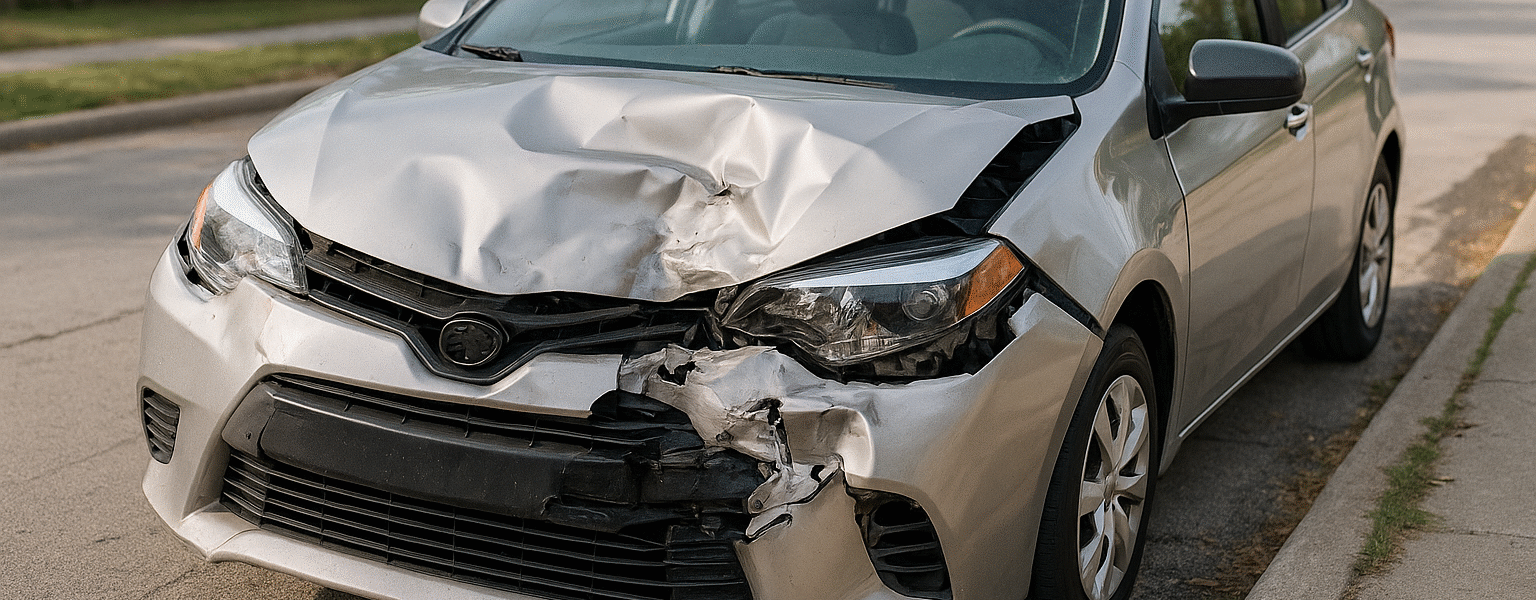
3. Your Vehicle Damage Is Significant or Your Car Is Totaled
If your car suffered heavy damage or was declared a total loss, claim review may involve:
- Fair vehicle valuation
- Rental car reimbursement
- Diminished value (loss in resale value)
- Out-of-pocket expenses
Some total-loss claims may be valued lower than expected, depending on the insurer’s methodology. Disputes over valuation may involve insurer methodologies, documentation standards, and policy terms

4. Multiple Vehicles, Passengers, or a Commercial Vehicle Were Involved
The more people or vehicles involved, the more complex the claim becomes. This is especially true when:
- A commercial truck, delivery vehicle, or rideshare (Uber/Lyft) is involved
- Several people have injuries
- Multiple insurance policies apply
Claims involving multiple parties often require review of multiple insurance policies and liability positions.
5. The Insurance Company Is Giving You the Runaround
Delays, lowball offers, or pressure to accept a quick settlement are all red flags. If the process begins to fee like a fight, some individuals choose to explore legal representation. In some cases, insurance communications may be handled through legal representatives rather than directly with the claimant.
When You Might Not Need an Attorney
To be fair, not every accident requires legal help. In some situations, you can handle things yourself.
1. The Accident Was Truly Minor
You may not need an attorney if:
- No one was injured
- The damage is minimal
- Insurance accepts fault immediately
- You’re satisfied with the valuation
In these simple cases, a lawyer may not provide much additional benefit.
2. The Insurance Company Is Paying Fairly
If the process is smooth, liability is clear, and no injuries exist, you may feel comfortable handling the claim on
your own. Just be cautious—some injuries take days or weeks to appear.
3. The Dispute Is Small Enough for Small Claims Court
Some states allow small claims court for very minor disputes. This only makes sense when no injuries are involved and
the amount of money at stake is low.
Read: Will Hiring A Lawyer Help My Case.

What a Car Accident Attorney Actually Does for You
Many people assume attorneys only get involved when a lawsuit is filed, but that’s rarely the case. Most claims are
settled without going to court. Here’s what lawyers actually do:
1. Handle All Communication With Insurance Companies
Once an attorney is involved, adjusters must communicate with them directly. This may change how communications are managed during the claims process, including:
- Recorded statements used against you
- Pressure tactics
- Confusing paperwork
2. Gather Evidence and Establish Fault
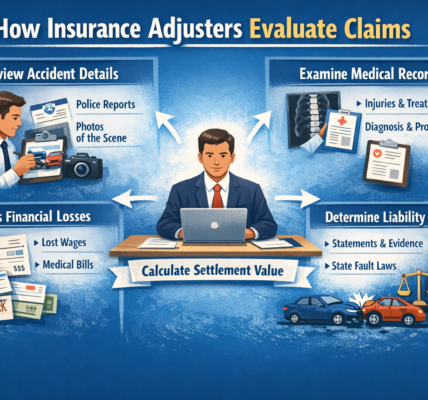
Claim evaluation may involve collection and review of:
- Police reports and 911 data
- Witness statements
- Medical records
- Photos and videos
- Expert opinions
Documentation quality may affect how claims are evaluated.
3. Calculate the Full Value of Your Damages
Claims may include considerations beyond vehicle repair costs. An attorney looks at:
- Current and future medical bills
- Lost wages
- Pain and suffering
- Loss of earning ability
- Diminished vehicle value
- Long-term limitations
Claim valuation may include factors beyond immediate repair or medical costs.
4. Negotiate a Fair Settlement
Lawyers negotiate using evidence, documentation, and applicable legal standards. Many cases settle here. If the insurance company
refuses to be fair, your attorney can file a lawsuit.
How Much Does a Car Accident Lawyer Cost?
Most car accident attorneys charge no upfront fees. Instead, they work on a contingency fee, which
means:
- You pay nothing out of pocket
- They only get paid if they win or settle your case
- Their fee is a percentage of your settlement
This structure allows many people to access legal representation without upfront costs.
So, Is It Worth Getting an Attorney After a Car Accident?
In simple terms:
Legal representation is more commonly considered in claims involving injuries, disputed fault, or significant financial impact.
You may not need a lawyer for a minor accident with no injuries and fast, fair payment. As claims become more complex due to medical costs, wage loss, or long-term effects, some individuals explore legal guidance to better understand claim procedures and documentation requirements.
In situations involving ongoing injuries, disputed liability, or complex losses, some individuals seek legal guidance to better understand available options and claim procedures.
Last edited: February 2026 for informational accuracy