If you’ve been in a car accident in Georgia, you’re likely juggling repair estimates, insurance calls, maybe even medical appointments. Naturally, one of the first questions that comes up is: How long will this insurance claim take?
The honest answer is that it depends. Some Georgia car insurance claims are resolved in as little as two weeks. Others may take several months — especially if injuries or fault disputes are involved. Understanding the process ahead of time can help you set realistic expectations and avoid unnecessary delays.
This article walks through the typical timeline of an auto insurance claim in Georgia, the stages involved, and the factors that can affect how quickly your claim is resolved.
How Long Does a Car Insurance Claim Take in Arizona?

Georgia Is an At-Fault Insurance State
Georgia operates under a fault-based (tort) auto insurance system. That means the driver who caused the accident — and their insurance company — is responsible for paying damages.
Because fault matters in Georgia, most claims require an investigation to determine who caused the crash and whether more than one driver shares responsibility. Georgia follows a modified comparative negligence rule, meaning a driver can recover damages only if they are less than 50% at fault. This can make fault determination an important — and sometimes time-consuming — step.
Typical Timeline of a Car Insurance Claim in Georgia
While every case is unique, most claims follow a predictable sequence.
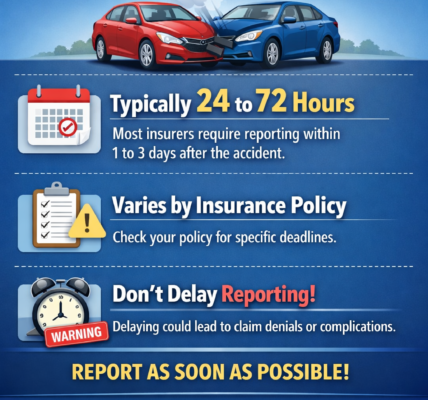
1. Reporting the Claim (Day 0–3)
The first step is reporting the accident to your insurance company (or the at-fault driver’s insurer). Most policies require you to notify them “promptly,” usually within a few days.
Once reported:
This initial administrative step typically takes one to three days.
2. Initial Investigation (Days 1–7)
The insurance adjuster gathers information about the accident. This usually includes:
-
Statements from both drivers
-
Police report review
-
Photographs of vehicle damage
-
Witness statements (if available)
-
Insurance policy verification
If fault is clear and documentation is complete, this stage may be completed in under a week. If information is missing or accounts conflict, it may take longer.
Typical timeframe: 3–7 days.
3. Vehicle Inspection and Damage Estimate (Days 3–10)
To determine how much the insurer will pay, your vehicle must be inspected. This may occur through:
For minor accidents, the estimate may be completed within a few days. If there is significant damage or questions about whether the vehicle is a total loss, this can extend toward 10 days or longer.
Typical timeframe: 3–10 days.
4. Fault Determination (Days 3–30+)
In Georgia, fault determination can significantly impact claim timing.
If:
-
A rear-end collision occurred
-
A driver clearly ran a red light
-
The police report strongly supports one side
The insurer may make a liability decision quickly — sometimes within a week.
However, if:
-
Both drivers tell different stories
-
There were no witnesses
-
Multiple vehicles were involved
-
Comparative negligence must be assessed
The investigation may extend to several weeks.
Typical timeframe: 3–30+ days depending on complexity.
5. Settlement Evaluation and Negotiation (Weeks 2–8)
Once fault and damage values are determined, the insurer calculates a settlement. This may include:
For straightforward property damage claims, settlement offers are often made within 2–4 weeks of the accident.
If injuries are involved, insurers may wait until medical treatment is complete or stabilized before making a final offer. This can extend the timeline significantly.
Negotiations can also add time. If you dispute the offer or request additional documentation, the process continues until both sides agree.
How Long Does a Car Insurance Claim Take in Colorado?

6. Payment and Claim Closure (1–2 Weeks After Agreement)
Once a settlement is accepted:
Many insurers now offer electronic payments, which can shorten this final step.
Overall Timeline Expectations in Georgia
Here’s what many drivers experience:
-
Minor property damage claim: 2–4 weeks
-
Moderate damage with clear fault: 3–6 weeks
-
Injury claim: 1–3 months
-
Disputed fault or complex injury claim: Several months
If a claim turns into a lawsuit, the timeline moves into the court system, which can extend beyond a year.
What Causes Delays in Georgia Claims?
Several factors commonly extend claim timelines:
Disputed Liability
Georgia’s comparative negligence system means insurers may investigate carefully before assigning fault percentages.
Ongoing Medical Treatment
In injury claims, insurers often wait until treatment concludes or stabilizes before finalizing settlement.
Total Loss Evaluations
If your vehicle may be declared a total loss, the insurer must determine its actual cash value, verify mileage, and sometimes review comparable sales.
Incomplete Documentation
Missing police reports, medical bills, or repair estimates can slow things down.
Communication Delays
If either party is slow to respond to adjuster requests, the claim may stall.
High Claim Volume
After severe weather events or high-traffic holiday periods, insurance companies and repair shops may experience backlogs.
Georgia Legal Deadlines to Be Aware Of
While insurers must handle claims in good faith and within reasonable timeframes, there is no fixed number of days required to settle every claim.
However, Georgia law generally provides:
These deadlines apply if a claim cannot be resolved through the insurance process and legal action becomes necessary.
How to Help Your Claim Move Faster
Although you can’t control every aspect of the process, you can reduce delays by:
Reporting Immediately
Contact your insurer as soon as possible after the accident.
Taking Clear Photos
Capture vehicle damage, license plates, road conditions, and traffic signals.
Getting a Police Report
Official documentation often helps insurers determine fault more quickly.
Keeping Medical Records Organized
If injured, maintain organized copies of bills and treatment notes.
Responding Quickly to Adjusters
Prompt replies prevent your file from sitting idle.
Following Up Politely
If you haven’t heard from your adjuster, checking in can keep the process moving.
Common Questions
Is there a required time limit for insurers to settle?
Insurers must act reasonably and in good faith, but the timeline depends on the complexity of the case.
Does hiring an attorney speed things up?
For simple claims, it may not significantly shorten the timeline. For disputed or serious injury claims, legal assistance can help manage negotiations — though litigation may extend the overall timeframe.
What if the at-fault driver is uninsured?
If you carry uninsured motorist coverage, your own insurer handles the claim, but fault still needs to be determined.
How Long Does a Car Insurance Claim Take in Ohio

Final Thoughts
There isn’t a single answer to how long a car insurance claim takes in Georgia. The timeline depends on fault clarity, damage severity, medical involvement, and how efficiently documentation moves between all parties.
For most straightforward property damage claims, resolution occurs within a few weeks. Injury claims and disputed liability cases often take longer — sometimes several months.
Staying organized, documenting everything thoroughly, and communicating clearly with your adjuster can help keep your claim on track. While the process may feel slow at times, understanding the stages involved makes it far more manageable.