
Disclaimer: This article provides general informational content only and does not constitute legal advice. Laws, fault rules, and insurance practices vary by jurisdiction. Readers should consult a licensed attorney in their state for guidance specific to their situation.
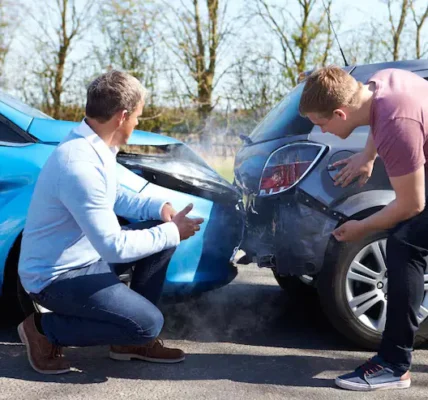
Rear-end collisions are among the most frequently reported motor-vehicle accidents. They often occur when traffic slows or stops unexpectedly, such as at intersections, in congestion, or during adverse weather conditions. Although these incidents may appear straightforward, determining fault and compensation can involve multiple factors.
After a rear-end collision, many people ask a similar question: how is fault typically determined?
Understanding how responsibility is commonly assessed, what evidence is reviewed, and how insurers approach these claims can help individuals better understand the claims process.
This article explains how rear-end collisions are generally evaluated from an insurance and claims-handling perspective.
Why the Rear Driver Is Often Considered Responsible
In many rear-end collisions, the driver of the trailing vehicle is commonly found at fault. Traffic laws generally require drivers to maintain a safe following distance and to operate their vehicles in a manner that allows them to stop safely under foreseeable conditions.
Factors frequently cited when evaluating rear-driver responsibility include:
-
Following too closely
-
Inattention or distraction
-
Driving too fast for traffic or weather conditions
-
Delayed braking
-
Fatigue or reduced reaction time
Even when the front vehicle slows or stops suddenly, insurers often examine whether the rear driver had sufficient distance and awareness to respond safely.
If you’re unsure how this applies, you may want to read:
👉Settlement Amounts And Timelines

Situations Where Fault May Be Shared or Reconsidered
Although rear-driver responsibility is common, there are circumstances where fault may be shared or reassigned based on available evidence.
Examples that may receive closer review include:
-
The front vehicle reversing unexpectedly
-
Non-functioning or obscured brake lights
-
Sudden stops without an apparent traffic-related reason
-
Intentional braking behavior
-
Impaired or reckless driving by the front vehicle
In these situations, insurers may apply comparative or contributory fault principles, depending on jurisdiction. This can result in shared responsibility rather than automatic fault assignment.
Evidence Commonly Used to Evaluate Rear-End Collisions
Insurance companies rely on documentation and objective evidence when reviewing rear-end collision claims. Common sources include:
Police or Incident Reports
These reports often contain:
-
Driver and witness statements
-
Initial observations of vehicle damage
-
Road and weather conditions
-
Citations or noted violations
Vehicle Damage Patterns
Damage location and severity can help clarify the direction and mechanics of the impact.
Witness Statements
Independent witnesses may provide information about:
-
Traffic flow
-
Sudden stops
-
Erratic driving behavior
Video or Camera Footage
Dash cameras, traffic cameras, or nearby security systems may offer objective confirmation of events.
Driver Statements
Statements made at the scene or during claim reporting may be reviewed for consistency with physical evidence.
Injuries Commonly Associated With Rear-End Collisions
Rear-end impacts can result in injuries that are not always immediately apparent. These may include:
-
Neck and back strain
-
Soft-tissue injuries
-
Headaches or dizziness
-
Shoulder or joint discomfort
-
Symptoms that develop hours or days later
Medical documentation is commonly reviewed to determine whether treatment is consistent with the reported collision and injury timeline.
Common Post-Accident Documentation Practices
After a rear-end collision, individuals often take steps to preserve information for insurance purposes. These may include:
-
Obtaining a police report
-
Photographing vehicle damage and surroundings
-
Seeking medical evaluation
-
Exchanging insurance and contact information
-
Retaining repair estimates and medical records
Organized documentation helps clarify claim details and reduces disputes during review.
Situations Where Fault May Be Shared or Reconsidered
Although rear-driver responsibility is common, there are circumstances where fault may be shared or reassigned based on available evidence.
Examples that may receive closer review include:
-
The front vehicle reversing unexpectedly
-
Non-functioning or obscured brake lights
-
Sudden stops without an apparent traffic-related reason
-
Intentional braking behavior
-
Impaired or reckless driving by the front vehicle
In these situations, insurers may apply comparative or contributory fault principles, depending on jurisdiction. This can result in shared responsibility rather than automatic fault assignment.
Evidence Commonly Used to Evaluate Rear-End Collisions
Insurance companies rely on documentation and objective evidence when reviewing rear-end collision claims. Common sources include:
Police or Incident Reports
These reports often contain:
-
Driver and witness statements
-
Initial observations of vehicle damage
-
Road and weather conditions
-
Citations or noted violations
Vehicle Damage Patterns
Damage location and severity can help clarify the direction and mechanics of the impact.
Witness Statements
Independent witnesses may provide information about:
-
Traffic flow
-
Sudden stops
-
Erratic driving behavior
Video or Camera Footage
Dash cameras, traffic cameras, or nearby security systems may offer objective confirmation of events.
Driver Statements
Statements made at the scene or during claim reporting may be reviewed for consistency with physical evidence.
Injuries Commonly Associated With Rear-End Collisions
Rear-end impacts can result in injuries that are not always immediately apparent. These may include:
-
Neck and back strain
-
Soft-tissue injuries
-
Headaches or dizziness
-
Shoulder or joint discomfort
-
Symptoms that develop hours or days later
Medical documentation is commonly reviewed to determine whether treatment is consistent with the reported collision and injury timeline.
Common Post-Accident Documentation Practices
After a rear-end collision, individuals often take steps to preserve information for insurance purposes. These may include:
-
Obtaining a police report
-
Photographing vehicle damage and surroundings
-
Seeking medical evaluation
-
Exchanging insurance and contact information
-
Retaining repair estimates and medical records
Organized documentation helps clarify claim details and reduces disputes during review.
To understand medical claims better, see:
👉 Understanding Medical Expenses in a Car Accident Claim

How Shared Fault Can Affect Claims
Some jurisdictions apply comparative negligence rules, which allow fault to be divided between parties. In these cases, compensation may be adjusted based on each party’s percentage of responsibility.
Other jurisdictions apply contributory negligence standards, where partial fault may limit recovery. The applicable standard depends entirely on local law and policy language.
Compensation Categories Commonly Reviewed
Rear-end collision claims are typically evaluated across multiple categories, including:
Economic Damages
-
Medical expenses
-
Vehicle repair or replacement
-
Lost income
-
Rental or towing costs
Non-Economic Considerations
-
Pain and discomfort
-
Disruption to daily activities
-
Emotional or psychological effects
Additional Considerations
In rare circumstances involving extreme conduct, additional legal remedies may be evaluated by courts rather than insurers.
When Legal Consultation Is Commonly Considered
Some individuals seek legal consultation when:
-
Injuries require ongoing treatment
-
Fault is disputed
-
Insurance coverage issues arise
-
Claim communications become complex
The decision to consult an attorney varies by situation and is influenced by claim complexity rather than accident type alone.
For emotional injuries, also see:
👉 Emotional Distress After a Car Accident

Summary
Rear-end collisions are common, but determining fault is not always automatic. While trailing drivers are frequently found responsible, exceptions exist, and insurers rely on evidence, documentation, and applicable fault rules when evaluating claims.
Understanding how rear-end collisions are commonly reviewed helps individuals better follow the claims process, organize relevant information, and make informed decisions about next steps.
This article is intended to explain general practices and does not predict outcomes or provide legal advice. Each claim depends on its specific facts, evidence, and governing law.
You may want to read:
👉 Crash Claims 101 Common Questions After An Accident
Last reviewed for educational accuracy: January 2026