
This article provides general educational information only and does not constitute legal or medical advice. Laws, insurance practices, and individual circumstances vary by jurisdiction. Readers should consult licensed medical or legal professionals for guidance specific to their situation.
After a car accident, one of the first and most common questions drivers ask is: How long will my insurance claim take? The short answer is that there’s no fixed timeline that applies to every situation. A car insurance claim in North Carolina can be wrapped up in a matter of days — or extend into several weeks or even months — depending on the circumstances.
This article explains how the process generally works, what typical timeframes look like, and what factors can shorten or lengthen the timeline. Whether you’re dealing with property damage, injuries, or a disputed fault scenario, understanding the stages of a claim helps you know what to expect and how to keep your claim moving.
How Long Does a Car Insurance Claim Take in Illinois?

North Carolina’s Fault-Based Insurance System
North Carolina uses a fault-based auto insurance system. That means the driver who is responsible for causing the crash (or their insurer) typically pays for the other party’s damages. This differs from “no-fault” states where each driver’s insurance covers their own injuries regardless of fault.
Because fault matters in North Carolina, the claims process often includes a liability determination. That step alone can add time to the overall process — especially if there’s disagreement about who caused the accident.
Typical Steps in a Car Insurance Claim (and How Long They Take)
Below is a detailed look at the key stages of a claim and what you might expect in North Carolina.
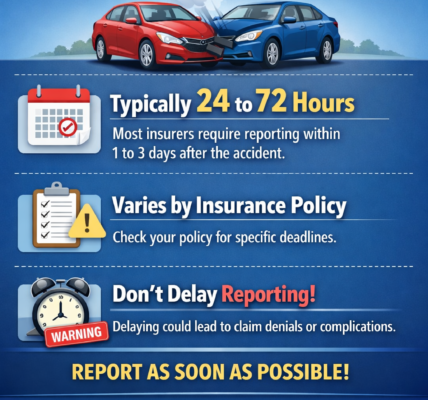
1. Report the Claim — Within 24–72 Hours
The moment you contact your insurer to report a claim is the official starting point. Most policies require you to report accidents “promptly,” which usually means within a day or two. In practice:
-
Day 0–1: You notify your insurer by phone, app, or online form.
-
Day 1–3: Your insurer assigns a claim number and begins initial processing.
If you delay reporting, it doesn’t usually stop the claim — but it can slow things down and potentially raise questions about accuracy or memory of details.
Tip: File the claim as soon as you’re safe and able to do so.
2. Initial Contact and Information Gathering — 1 to 5 Days
After the claim is reported, an insurance adjuster or claims representative will usually contact you quickly — often within one business day. During this phase, the insurer will:
-
Ask you to describe the accident
-
Collect photos or videos
-
Request a police report if one exists
-
Gather driver, vehicle, and witness information
Provided you respond quickly and send in documentation promptly, this part of the process usually takes 1 to 5 days.
Common Delay Issues:
-
Missing police report
-
Lack of photos or unclear damage documentation
-
Conflicting witness statements
These kinds of gaps may require extra follow-up.
3. Damage Assessment and Vehicle Inspection — 1 to 7 Days
Once the insurer has basic details, they will assess your vehicle’s damage so they can estimate repair costs. This usually happens one of three ways:
-
In-person inspection at a body shop or by an adjuster
-
Virtual inspection using photos you upload
-
Triage estimate from an approved repair facility
In simple cases, insurers may complete this within 1 to 3 days. In busier periods — like after a major weather event — scheduling can push it to 5–7 days.
Tip: Scheduling the inspection right away accelerates progress.
4. Liability (Fault) Determination — 3 to 30+ Days
In North Carolina, determining fault is a crucial step because it affects who pays for what.
If fault is clear — for example, one driver ran a red light and that is documented — the insurer can usually make a quick determination in a few days to a week.
If fault is disputed or unclear, it may take longer:
-
Police reports may need to be obtained and reviewed
-
Statements from both drivers and witnesses are weighed
-
Photos, diagrams, and impact analysis may be required
In complicated cases where fault is disputed, this part can take 2–4 weeks or longer.
5. Claim Evaluation and Settlement Offer — 5 to 30 Days
Once the insurer understands the damage and liability, they’ll evaluate the financial aspects of the claim and present a settlement offer. This includes:
-
The estimated cost to repair or total the vehicle
-
Any medical claims (if injuries are involved)
-
Compensation for lost use, towing, storage, or rental cars
-
Adjustments for policy limits and deductibles
Timelines in this phase vary:
-
Straightforward claims: ~5–10 days
-
Moderate disputes or supplemental costs: ~10–20 days
-
Claims with significant disagreement or documentation issues: ~20–30+ days
If you and the insurer agree on the amount, the claim moves into payment.
How Long Does a Car Insurance Claim Take in Michigan?

6. Payment Issuance and Claim Closure — 1 to 10+ Days
Once both sides agree to the settlement:
-
Payment is issued to you or directly to the repair shop
-
Any loan or lienholder is paid if required
-
The claim is officially closed
Payment processing times vary by insurer. Some issue electronic payments quickly; others may take a week or more to mail checks.
Typical Timeline Summary Table
| Claim Phase | Expected Time |
|---|---|
| Claim Reporting | Within 24–72 hours |
| Initial Contact/Coverage Review | 1–5 days |
| Damage Inspection/Estimate | 1–7 days |
| Fault Determination | 3–30+ days |
| Settlement Evaluation/Offer | 5–30+ days |
| Payment Processing/Claim Closure | 1–10+ days |
Overall Typical Range: 1–6 weeks in most cases, with outliers longer in complicated disputes.
Factors That Can Speed Up or Slow Down a Claim
Every claim is different, but these are some of the most common reasons timelines vary:
Clear Photos and Police Reports
When you provide detailed photos and a complete police report early, insurers spend less time chasing information.
Quick Inspection Appointments
Scheduling damage estimates right away speeds up the adjuster’s ability to value the claim.
Unclear Fault
If both drivers tell different versions of events, insurers may take longer to gather evidence.
Medical Bills
If injuries are involved, claims that include medical costs often take longer since the insurer must coordinate with healthcare billing.
Loan/Lienholder Requirements
If your vehicle is financed, the insurer may need extra approvals from the bank before releasing funds.
Weather Events or High Volume
After storms or large incidents affecting many drivers, insurers may be dealing with a surge of claims, which can slow processing.
How to Help Your Claim Move Quickly
Even though insurers have their own procedures, here’s what you can control to keep your claim progressing:
File ASAP
Report the accident to your company immediately — don’t wait.
Document Everything
Take clear photos of all vehicles, road conditions, and any injuries. Better documentation leads to fewer questions later.
Gather Witness Info
Names and contact info help if fault is disputed.
Provide Complete Medical Records Promptly
If injury treatment is involved, send bills and doctor notes as soon as they’re available.
Stay in Contact
Respond quickly to calls or emails from your adjuster.
What If Your Claim Seems Stuck?
If you feel like your claim is dragging:
Ask Your Adjuster for a Timeline
A quick email or call can give you clarity on where your claim is.
Escalate to a Supervisor
If communication lag is slowing progress, ask to speak with a claims supervisor.
File a Complaint
You can contact the North Carolina Department of Insurance if you believe unreasonable delays are happening.
Consider Legal Advice
For significant disputes — especially those involving injuries — a qualified attorney can help move things forward.
How Long Does a Car Insurance Claim Take in Texas?

Final Word
There isn’t a single answer to “How long does a car insurance claim take in North Carolina?” But by understanding the typical stages and timeframes, you gain realistic expectations and control over the process.
Most everyday claims — with clear fault and straightforward damage — are resolved within a few weeks. More complicated cases involving disputed fault, extensive repairs, or medical claims can take 30 days or longer.
The best way to shorten your own claim process is simple: document thoroughly, respond promptly, and communicate clearly. If you do that, your claim will almost always move faster and with fewer surprises.